Introduction
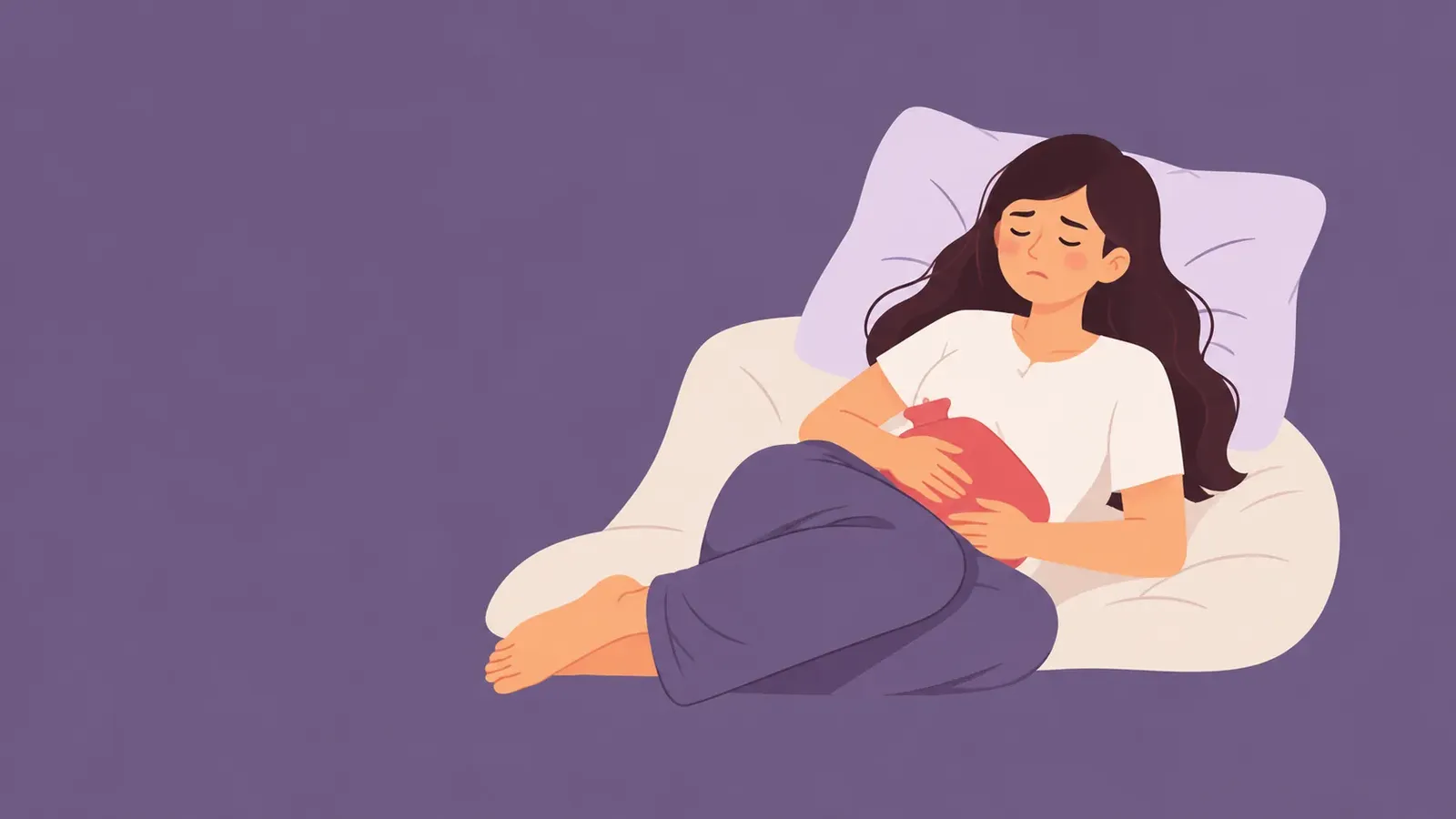
If your period pain makes you cancel plans, miss classes, take time off work or spend hours curled up in bed, you are not alone. But you do not have to dismiss severe menstrual pain as something everyone must endure.
Quick Answer
Mild cramps can be common, but pain that disrupts your everyday life deserves medical attention. Severe or worsening period pain can sometimes be linked to conditions such as endometriosis, adenomyosis or fibroids. 1
When Is Period Pain More Than Just Cramps?
Period pain often happens because the uterus contracts to shed its lining. However, speak to a healthcare professional if the pain is severe, worsening, lasts beyond your usual period or interferes with daily activities. Pain during sex, bowel movements or urination, or bleeding between periods, also deserves assessment. 1 2
Could There Be an Underlying Cause?
Conditions such as endometriosis, adenomyosis and fibroids can cause painful periods. Endometriosis may also cause pelvic pain outside menstruation or pain during sex or when using the toilet. These symptoms do not automatically mean you have one of these conditions, but persistent pain should not be ignored. 1
What Can Help?
A warm compress or hot-water bottle wrapped safely in a towel, gentle movement and adequate rest may help ease cramps. Pain-relieving medicines or hormonal treatments may also help, depending on your health and needs. A clinician can help you choose an appropriate option and assess whether further tests are necessary. 1
When to Seek Medical Advice
Arrange an appointment if period pain repeatedly affects your routine, becomes worse or occurs alongside heavy bleeding. Seek urgent medical care for sudden, severe pelvic pain, particularly if you may be pregnant or feel faint or very unwell. 2
Key Takeaways
- Period pain is common, but disabling pain should not be dismissed.
- Severe or worsening cramps may have an underlying cause.
- Effective treatments are available, and you deserve help finding the right one.
- Track your symptoms and discuss recurring pain with a healthcare professional.
References
- American College of Obstetricians and Gynecologists (ACOG). Painful Periods.
- National Health Service (NHS). Period Pain.