Menopause Ends the Periods. It Does Not End the Need for Care.
There is a common idea that once periods stop, menopause is “over.”
In reality, the end of menstruation marks the beginning of a different phase of health.
The fall in ovarian hormones—particularly estrogen—affects far more than the reproductive system. Over time, postmenopause is associated with changes in cardiovascular, metabolic, bone, brain, genitourinary and musculoskeletal health. The Indian Menopause Society describes menopause as a systemic transition affecting neuroendocrine, cardiovascular, metabolic, musculoskeletal, genitourinary and immune systems. 1
That does not mean that every woman will develop these problems.
It means that after menopause, some aspects of health deserve more deliberate attention than they may have received before.
QUICK ANSWER
After menopause, it is worth paying attention to heart and metabolic health, blood pressure and cholesterol, bone density and muscle strength, brain and mental health, vaginal and urinary symptoms, sexual health, eye health, cancer screening, sleep, nutrition, physical activity and overall preventive care.
Hormone therapy may be appropriate for some women, particularly for bothersome menopausal symptoms or specific indications, but it is not a universal anti-ageing treatment and is not prescribed simply because estrogen levels are low. The decision depends on age, time since menopause, symptoms, medical history, risks and personal preferences. 2
THE HORMONAL DIP STILL MATTERS
After menopause, ovarian estrogen production falls substantially. This hormonal change does not suddenly disappear after the final period; its effects can continue to influence tissues throughout the body.
Hot flashes and night sweats may continue for some women. Others notice changes in sleep, mood, sexual comfort, vaginal health, body composition or joint and muscle symptoms.
But there is an important distinction:
Low estrogen is a biological change—not a diagnosis that automatically requires hormone treatment.
Menopausal hormone therapy (MHT) is primarily used when there is a clear indication, such as bothersome vasomotor symptoms or certain genitourinary symptoms. Current international recommendations emphasise individualising treatment according to the woman’s age, timing, symptoms, health risks and treatment goals. 2
Hormone therapy should also not be started solely to prevent dementia, cardiovascular disease or weight gain. Its benefits and risks depend strongly on the individual and the timing of treatment. 2
YOUR HEART DESERVES MORE ATTENTION
This is one of the most important postmenopausal health priorities.
Cardiovascular risk increases with age, and the menopausal transition is accompanied by changes in several cardiovascular risk factors. Abdominal fat accumulation, blood pressure, cholesterol and glucose regulation can become increasingly important. 2
That means a postmenopausal health review should not focus only on hormones.
It should also ask:
- What is your blood pressure?
- What are your cholesterol levels?
- Is your blood sugar or HbA1c in a healthy range?
- Has your waist circumference increased?
- Are you physically active?
- Do you smoke?
- How much alcohol do you consume?
- Do you have a family history of early cardiovascular disease?
The American Heart Association describes cardiovascular disease as the leading cause of death among women and emphasises the interconnected nature of blood pressure, cholesterol, glucose, weight and kidney health. 3
Menopause is therefore a good time to become proactive about heart health—not fearful about it.
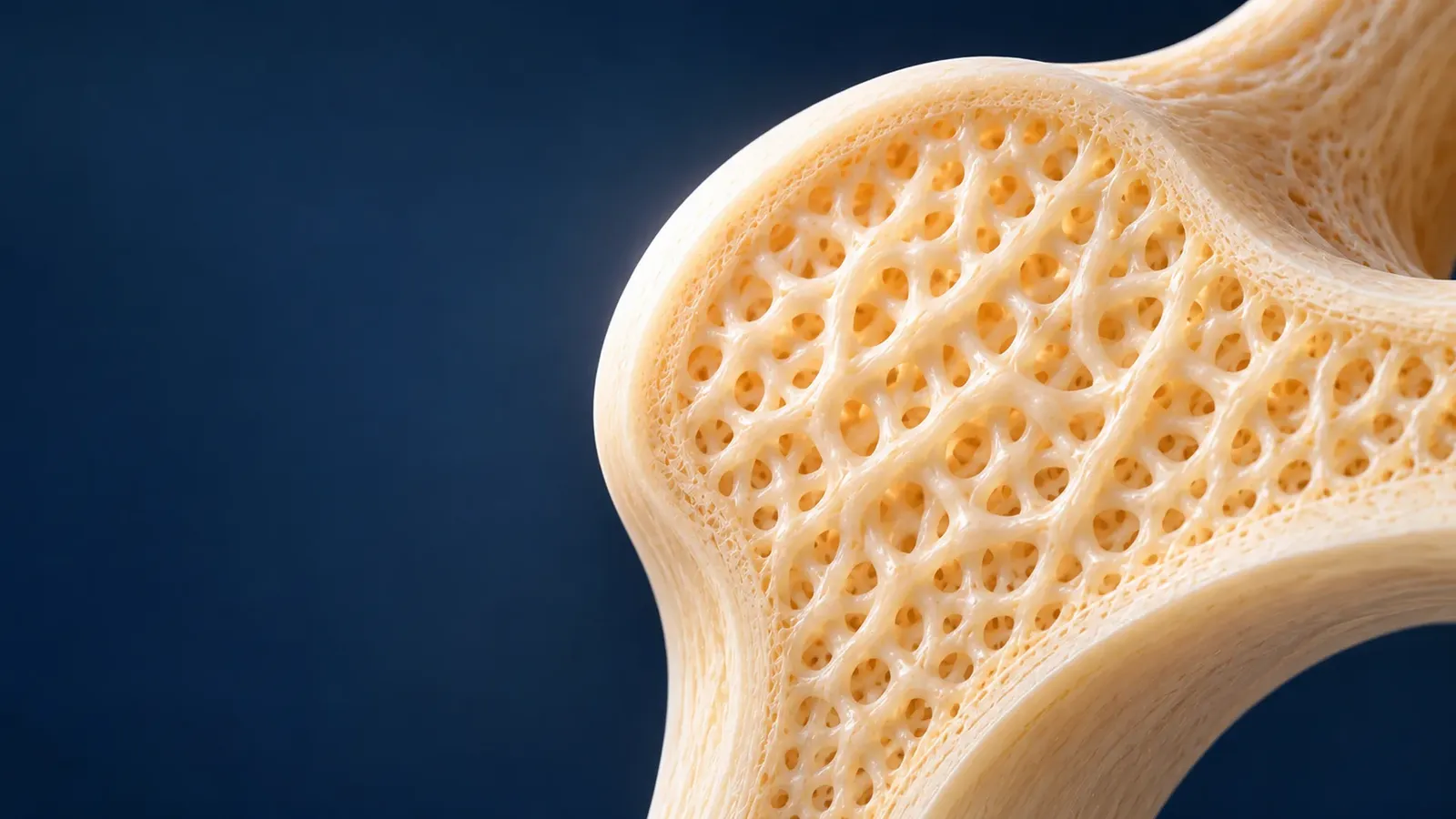
BONES: THE SILENT AREA YOU CANNOT FEEL
Bone loss accelerates around menopause because estrogen has an important role in maintaining bone tissue.
The problem is that osteoporosis can develop silently. You may feel completely well until a fracture occurs.
Weight-bearing and resistance exercise, adequate nutrition, maintaining muscle strength and reducing fall risk all matter. Some women also need formal assessment of fracture risk and bone mineral density.
The latest USPSTF recommendation recommends osteoporosis screening for all women aged 65 years or older, and for younger postmenopausal women who are at increased fracture risk based on clinical risk assessment. 4
Your doctor may consider earlier assessment if you have factors such as low body weight, a parental history of hip fracture, smoking, excess alcohol use, certain medications or conditions associated with bone loss. 4
And bone health is not only about calcium.
Muscle matters too.
The latest IMS recommendations specifically identify sarcopenia—age-related loss of muscle mass and function—as an important but often overlooked issue in midlife and beyond. 2
YOUR BRAIN NEEDS CARE TOO
“Brain fog” can occur around menopause.
Difficulty finding a word, remembering a name, concentrating or feeling mentally sharp can be unsettling. However, menopausal cognitive complaints are not the same thing as dementia.
The 2026 Indian Menopause Society guidance describes brain fog as commonly involving attention, concentration and memory retrieval and notes that these complaints are often influenced by hormonal changes, sleep disruption, mood symptoms, vasomotor symptoms and psychosocial stress. 1
There is currently no recommendation to use MHT solely to prevent cognitive decline or dementia. 1
Instead, brain health is closely tied to the things that protect the brain over decades:
regular physical activity, good sleep, cardiovascular risk control, social connection, mental stimulation and management of depression or anxiety. 1
If memory problems are progressive, interfere with everyday life or are noticeably worsening, they deserve medical assessment rather than being automatically dismissed as “just menopause.”
VAGINAL DRYNESS IS NOT SOMETHING YOU HAVE TO PUT UP WITH
This deserves much more attention than it usually gets.
Lower estrogen after menopause can make vaginal and vulvar tissues thinner, drier and less elastic. Some women experience burning, irritation, painful sex, reduced lubrication, urinary frequency or recurrent urinary tract infections.
Together, these changes are called genitourinary syndrome of menopause (GSM). 5
And importantly:
Painful sex after menopause is not something a woman simply has to accept as part of ageing.
Vaginal moisturisers and lubricants may help with some symptoms. If symptoms persist or significantly affect your comfort, sexual health or urinary health, speak with a healthcare professional about appropriate treatment options. 6
The 2025 American Urological Association guideline specifically addresses the evaluation and treatment of GSM, reflecting how seriously persistent vaginal and urinary symptoms should be taken. 5
Any postmenopausal bleeding or spotting should be evaluated, even if it happens only once.
EYES AND VISION MATTER TOO
Age itself increases the risk of several eye conditions, and hormonal changes may also influence the ocular surface.
Dry eye symptoms can become more noticeable after menopause. Recent evidence also suggests that postmenopausal women may have changes in intraocular pressure and corneal thickness, although the clinical significance of these findings is still being studied. 7
So do not ignore persistent:
- Dry, gritty or burning eyes
- Blurred or fluctuating vision
- Eye pain
- New flashes or floaters
- Difficulty seeing at night
- Sudden changes in vision
Routine eye care becomes increasingly important with age, particularly if you have diabetes, hypertension, glaucoma risk or other eye conditions.
METABOLIC HEALTH CAN QUIETLY CHANGE
Postmenopause is also a useful time to look beyond the weighing scale.
Changes in body composition can include increased abdominal fat and changes in insulin sensitivity. Importantly, the 2025 IMS recommendations emphasise that midlife weight gain is driven largely by ageing, while the menopausal decline in estrogen contributes particularly to changes in fat distribution. 2
So the goal should not be:
“How do I become thin again?”
A better question is:
“How do I preserve muscle, metabolic health, mobility and cardiovascular health as I age?”
That means regular resistance and aerobic exercise, adequate protein and nutrient-rich foods, good sleep, and appropriate management of conditions such as diabetes, hypertension and dyslipidaemia.
CANCER SCREENING DOES NOT STOP AT MENOPAUSE
Menopause does not mark the end of preventive screening.
Depending on your age, personal history and risk factors, you may still need appropriate screening for cancers such as breast, cervical and colorectal cancer. Screening recommendations vary by age and risk, so they should be individualised rather than based on menopause alone. 8
It is also important to report new symptoms rather than assuming they are hormonal.
For example:
new postmenopausal bleeding, an unexplained breast change, persistent bowel changes, unexplained weight loss or persistent pelvic symptoms deserve medical attention.
SLEEP, MOOD AND SEXUAL HEALTH STILL COUNT
Good health after menopause is not simply about preventing disease.
Sleep problems can persist even after hot flashes become less troublesome. Mood and anxiety symptoms may also need attention, particularly in women with a previous history of depression or anxiety. 1
Sexual health deserves the same respect.
Reduced lubrication, pain, changes in desire, pelvic-floor problems or relationship factors can all influence sexual wellbeing. These concerns are medical and personal—not something a woman should feel embarrassed to mention.
If something is affecting your quality of life, it is worth discussing.
WHAT ABOUT THYROID, KIDNEYS AND OTHER HEALTH CONDITIONS?
Not every new symptom after menopause is caused by menopause.
Fatigue, hair changes, constipation, palpitations, sleep disturbance, mood changes or unexplained weight changes can have many causes, including thyroid disease, anaemia, diabetes, medication effects, sleep disorders and other medical conditions.
The Indian Menopause Society recommends an integrated approach because menopause interacts with existing systemic health conditions rather than existing in isolation. 1
This is one reason a good postmenopausal health review should look at the whole person, rather than ordering a large panel of hormone tests simply because periods have stopped.
WHEN TO SEE A DOCTOR
Seek medical evaluation for:
- Any vaginal bleeding after menopause
- New breast lumps or persistent breast changes
- Chest pain, unexplained breathlessness or fainting
- Sudden weakness, speech difficulty or other neurological symptoms
- A new or rapidly worsening memory problem
- Persistent vaginal pain, burning or urinary symptoms
- Recurrent urinary tract infections
- A fracture after a minor fall or injury
- Persistent or sudden changes in vision
- Unexplained weight loss or persistent unexplained symptoms
You do not need to wait until a symptom becomes severe to discuss it.
KEY TAKEAWAYS
- Menopause is not the end of healthcare; it is a new stage of healthcare.
- Heart health deserves particular attention through blood pressure, cholesterol, glucose, physical activity and other risk factors.
- Bone density, muscle strength and fall prevention become increasingly important.
- Brain fog can occur after menopause, but progressive cognitive decline should not automatically be blamed on hormones.
- Vaginal dryness, painful sex and urinary symptoms are treatable health concerns—not problems women simply have to tolerate.
- Eye health and vision deserve attention as part of healthy ageing.
- Cancer screening should continue according to age, risk and current screening recommendations.
- Sleep, mood, sexual wellbeing and quality of life matter just as much as laboratory numbers.
- MHT may be appropriate for some women with bothersome menopausal symptoms or specific indications, but it is not a universal treatment for ageing or a routine dementia-prevention strategy.
- The best postmenopausal care is individualised: prevent what can be prevented, detect what can be detected early, and treat what affects quality of life.
REFERENCES
[1] Meeta M, Anuradha M, Ashraf AB, et al. Clinical Practice Guidelines for Menopause: An Executive Summary and Recommendations: Indian Menopause Society 2026. Journal of Mid-life Health. 2026;17(Suppl 1):S12–S116. https://doi.org/10.4103/jmh.jmh_302_25
[2] Panay N, Fenton A, Hamoda H, et al. International Menopause Society recommendations and key messages on women’s midlife health and menopause. Climacteric. 2025;28(6):634–656. https://doi.org/10.1080/13697137.2025.2585487
[3] American Heart Association. Must-know facts for women about heart, kidney and metabolic health. 2025. https://newsroom.heart.org/news/must-know-facts-for-women-about-heart-kidney-and-metabolic-health
[4] U.S. Preventive Services Task Force. Osteoporosis to Prevent Fractures: Screening. January 2025. https://www.uspreventiveservicestaskforce.org/uspstf/recommendation/osteoporosis-screening
[5] The Menopause Society. American Urological Association 2025 Guideline on Genitourinary Syndrome of Menopause.2025. https://menopause.org/professional-resources/other-publications
[6] American College of Obstetricians and Gynecologists. Can I use topical estrogen long-term for vaginal dryness and painful sex? 2025. https://www.acog.org/womens-health/experts-and-stories/ask-acog/can-use-topical-estrogen-long-term
[7] Intraocular pressure and central corneal thickness in premenopausal and postmenopausal women: a systematic review and meta-analysis. 2025. https://pubmed.ncbi.nlm.nih.gov/40810326/
[8] Centers for Disease Control and Prevention. Cancer Screening Tests. Updated January 2025. https://www.cdc.gov/cancer/prevention/screening.html
SEO METADATA