Why Bone Health Matters in Midlife
Your bones may not demand much attention until something hurts or a fracture occurs. Yet the years around perimenopause and menopause are an important time to think about them.
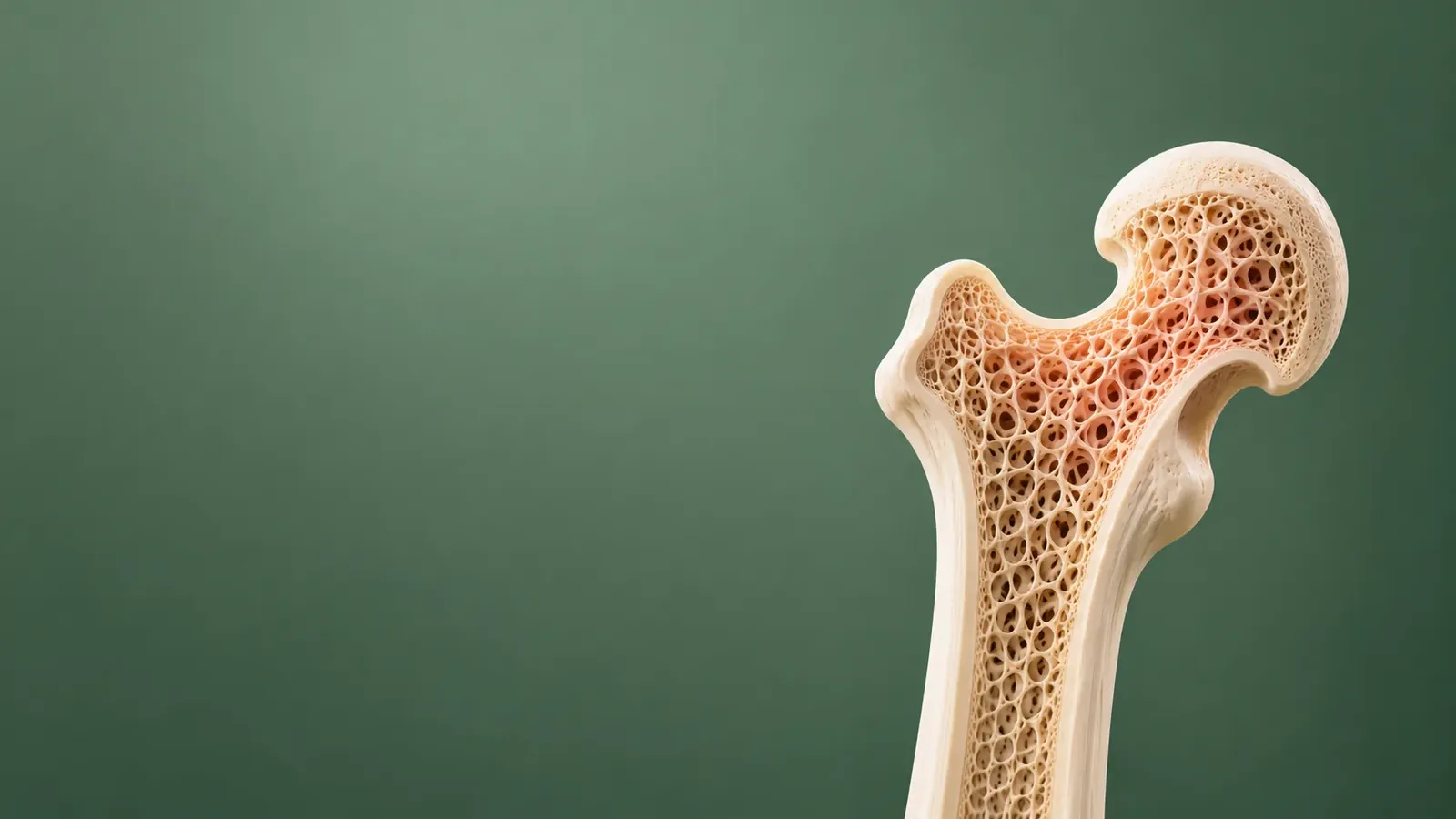
Bone is living tissue. Your body continuously breaks down old bone and builds new bone to keep your skeleton strong. As you move through midlife, hormonal changes can shift this balance towards bone loss. The choices you make now can help protect your mobility, independence and health for decades to come. 1
What Does Oestrogen Have to Do With Your Bones?
Oestrogen does more than regulate menstrual cycles. It also helps maintain bone strength by influencing the cells responsible for breaking down and rebuilding bone.
During perimenopause, oestrogen levels fluctuate. Around menopause, they decline substantially. This can accelerate bone loss, particularly in the early years after menopause, increasing the risk of osteoporosis and fractures. 1 2
This does not mean every woman will develop osteoporosis. Your age, family history, body weight, nutrition, physical activity, medical conditions and certain medicines also influence your risk.
Why Bone Loss Can Begin Before Menopause
Bone loss does not suddenly begin on the day your periods stop. Bone is living tissue that is constantly broken down and rebuilt. During the menopausal transition, fluctuations and the eventual decline in oestrogen can shift this balance, allowing bone to break down faster than it is replaced. This can accelerate bone loss even before menopause is complete. 1
This is one reason midlife deserves attention. You may still be having periods, perhaps irregularly, while changes affecting your bones are already underway. The extent of bone loss varies from person to person and is influenced by age, genetics, nutrition, physical activity, medical conditions and certain medicines.
You cannot judge your bone strength by how you feel or by how regular your periods are. Building and maintaining healthy habits before and during the menopausal transition can help protect bone health, but people with significant risk factors may also need a clinical assessment.
Are There Symptoms of Bone Loss?
One of the most important things to understand is that osteoporosis usually has no symptoms until a fracture occurs. You may not feel your bones becoming weaker.
A fracture after a minor fall, persistent back pain following a possible spinal fracture, or a noticeable loss of height deserves medical assessment. These signs do not prove osteoporosis, but they should not be ignored. 2
Who Is at Higher Risk of Fragile Bones?
Menopause is an important risk factor for osteoporosis, but it is not the only one. Some people lose bone density earlier or more rapidly because of their medical history, nutrition, medicines or family history. 1 2
Your risk may be higher if you have a parent who experienced osteoporosis or a hip fracture, have a low body weight, experience early menopause or prolonged absence of periods, or have conditions that affect nutrient absorption or bone metabolism. Long-term use of certain medicines, particularly glucocorticoids, can also contribute to bone loss.
Smoking, heavy alcohol consumption, inadequate calcium or vitamin D intake and prolonged physical inactivity can add to the risk. Having one or more risk factors does not mean you will definitely develop osteoporosis, and having no obvious risk factors does not guarantee that your bones are healthy.
Speak with a healthcare professional if you have several risk factors, experience menopause unusually early, lose height over time or sustain a fracture after a minor fall. They can assess whether bone-density testing or further investigation is appropriate.
Osteoporosis and Osteoarthritis Are Not the Same
These terms are often confused, but they describe different conditions.
Osteoporosis reduces bone strength and increases fracture risk. Osteoarthritis affects joints, including the cartilage and surrounding structures, and can cause pain, stiffness and reduced movement.
Both may become more relevant with age, but joint pain alone does not tell you whether your bones are weak. Persistent pain, stiffness or reduced mobility deserves assessment rather than being automatically attributed to menopause.
Which Foods Can Help Keep Your Bones Healthy?
There is no single food that can guarantee strong bones or prevent osteoporosis. However, evidence supports getting enough calcium, vitamin D and protein as part of a balanced diet. These nutrients support bone structure, calcium absorption and the maintenance of muscle, which also helps reduce the risk of falls. 3 4
For everyday Indian meals, useful options include:
- Milk, curd and paneer: Provide calcium and protein. Choose options that suit your dietary needs and budget.
- Ragi and other calcium-containing foods: Ragi can contribute useful calcium, although the amount absorbed varies.
- Sesame seeds and pulses: Can add to your overall intake, but should not be treated as complete substitutes for a well-planned diet.
- Leafy greens: Certain greens, including amaranth leaves, provide calcium and other nutrients. Calcium absorption differs between vegetables, so variety matters.
- Pulses, beans, soy foods and eggs: Help provide protein. Calcium-set tofu can also be a useful calcium source where available.
- Fish, especially small fish eaten with their bones: Can provide calcium, while oily fish may also supply vitamin D.
- Vitamin D sources: Egg yolks and oily fish provide some vitamin D. Fortified foods may help where available; check the label because fortification varies.
The goal is not to eat one so-called superfood every day. It is to build a varied, affordable eating pattern that regularly supplies the nutrients your bones need. A food can contribute to bone health without being proven, on its own, to prevent fractures.
If your diet is restricted, you have a condition affecting absorption, or you suspect a deficiency, a clinician or qualified dietitian can help identify what may be missing. Supplements may be appropriate when dietary intake is inadequate or a deficiency needs treatment, but taking extra calcium or vitamin D beyond your needs does not automatically make your bones stronger. 3
Do You Need Calcium and Vitamin D Supplements?
Not automatically. Your needs depend on your diet, age, health history and risk of deficiency. Calcium and vitamin D are important for bone health, but supplements are not necessary for everyone. A clinician can help determine whether supplementation or blood tests are appropriate for you.
Avoid taking large doses simply because you are approaching menopause. Excessive supplementation can cause harm, and people with kidney disease, a history of kidney stones or other relevant conditions may need particular care. 1 3
Which Habits Protect Your Bones?
Make movement part of your routine. Weight-bearing activities such as walking, dancing and stair climbing, alongside strength training, help support bone and muscle health. Balance exercises can also help reduce falls. Choose activities suited to your fitness, joints and medical history. 5
Avoid smoking, limit alcohol, eat enough to meet your nutritional needs and avoid prolonged inactivity. If you have osteoporosis or a previous fracture, ask a healthcare professional which exercises are safest for you.
Can Bone Loss Be Reversed?
Bone loss is not always completely reversible, but there are effective ways to protect bone health and reduce fracture risk. The right approach depends on whether you are trying to prevent bone loss, have low bone density, or have already developed osteoporosis.
Regular weight-bearing activity, such as walking or climbing stairs, and resistance exercises can help maintain bone and muscle strength. Balance exercises are also valuable because preventing falls is an important part of preventing fractures. If you already have osteoporosis or have experienced a fracture, ask a healthcare professional which exercises are safe for you before beginning a new routine. 5
Adequate calcium, vitamin D and protein support these efforts. However, food and exercise alone may not be enough when osteoporosis or a high risk of fracture is present. A healthcare professional can assess whether additional medical treatment is appropriate. Different approaches have different indications and risks, so decisions should be individualised. 1 2
Menopausal hormone therapy may also help prevent bone loss in appropriately selected people, particularly when used for menopausal symptoms. It is not suitable for everyone and should not be started solely on the assumption that every woman needs it for her bones. Discuss the potential benefits and risks with your healthcare professional. 1
The important message is that a diagnosis of osteoporosis is not a reason to give up on bone health. Early assessment, appropriate care and sustained habits can help reduce the likelihood of future fractures.
When Do You Need a DXA Scan?
A DXA scan measures bone mineral density and helps assess osteoporosis risk. It is not automatically necessary for every woman entering perimenopause.
Screening decisions depend on your age, menopause status, previous fragility fractures, low body weight, family history and conditions or medicines that can weaken bones. Indian Menopause Society guidance supports risk-based assessment and DXA testing when indicated. Your doctor can advise whether you need a scan and when it may need repeating. 1
Your Lifelong Bone-Health Checklist
- Include calcium-rich foods and adequate protein in your daily diet.
- Meet your vitamin D needs and discuss supplements if appropriate.
- Combine weight-bearing activity with strength and balance exercises.
- Avoid smoking and excessive alcohol.
- Discuss fracture risk and DXA screening with your doctor when appropriate.
- Seek assessment after a fracture following a minor fall or if you notice unexplained height loss.
Key Takeaways
- Oestrogen decline around menopause can accelerate bone loss.
- Osteoporosis is often silent until a fracture occurs.
- Calcium, vitamin D, protein and regular exercise all contribute to bone health.
- Supplements and DXA scans should be guided by individual needs and risk.
- Protecting your bones in midlife is an investment in lifelong strength, mobility and independence.
References
[1] Meeta M, Anuradha M, Ashraf AB, et al. Clinical Practice Guidelines for Menopause: An Executive Summary and Recommendations: Indian Menopause Society 2026. Journal of Mid-life Health. 2026;17(Suppl 1):S12–S116. doi:10.4103/jmh.jmh_302_25.
[2] National Institute on Aging. Osteoporosis. National Institutes of Health. Online clinical education resource.
[3] National Institute of Arthritis and Musculoskeletal and Skin Diseases. Calcium and Vitamin D: Important for Bone Health. National Institutes of Health. Last reviewed May 2023.
[4] Indian Council of Medical Research–National Institute of Nutrition. Dietary Guidelines for Indians. 2024.
[5] National Institute of Arthritis and Musculoskeletal and Skin Diseases. Exercise for Your Bone Health. National Institutes of Health. Last reviewed May 2023.